
Introduction
Climate change is one of the most critical challenges facing our planet today. Rising global temperatures, shifting weather patterns, and extreme events are becoming more frequent and severe. Climate change reports provide detailed information on these patterns, helping governments, organizations, and individuals understand risks and plan for the future.
Extreme weather events, such as hurricanes, floods, wildfires, and heatwaves, are direct consequences of climate change. Understanding these events through scientific reports allows policymakers, businesses, and citizens to make informed decisions, mitigate risks, and prepare for emergencies. This guide explains climate change reports and extreme weather events in simple language for beginners and intermediate readers.
What Is Climate Change Reports and Extreme Weather Events?
Climate change reports are scientific documents that analyze changes in the Earth’s climate system. These reports are often produced by organizations such as the Intergovernmental Panel on Climate Change (IPCC), NOAA, or national meteorological agencies. They provide data on:
- Global temperature trends
- Greenhouse gas emissions
- Ice cap and glacier melting
- Sea-level rise
- Extreme weather patterns
Extreme weather events are sudden or unusual natural phenomena that are more severe than normal seasonal variations. These include:
- Hurricanes and cyclones
- Floods and storm surges
- Heatwaves and droughts
- Wildfires
- Tornadoes and hailstorms
These events are often interconnected with climate change, as warmer temperatures can increase the intensity and frequency of storms, droughts, and other extreme occurrences.
Why Is Climate Change Reports and Extreme Weather Events Important?
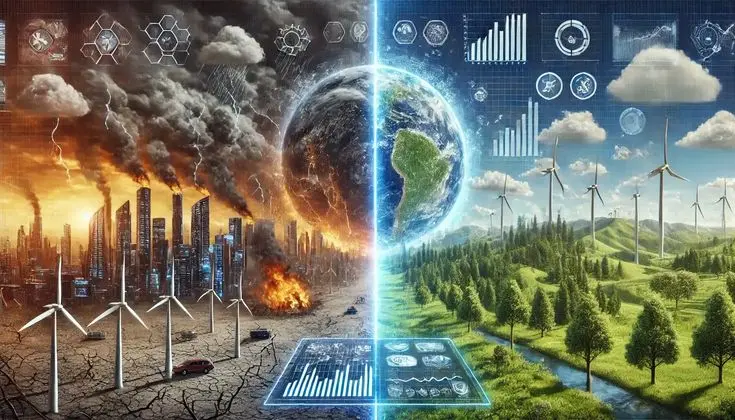
Climate change reports and extreme weather event data are vital because they help:
- Inform Policy Decisions – Governments rely on reports to create environmental regulations, disaster response plans, and climate policies.
- Educate the Public – Reports increase awareness about climate risks and motivate action.
- Support Scientific Research – Data from reports allows scientists to understand causes, predict trends, and develop solutions.
- Guide Businesses – Companies can assess climate-related risks to supply chains, infrastructure, and operations.
- Mitigate Disasters – Understanding extreme weather events helps in emergency preparedness and response.
For individuals, reports and data help in planning safety measures, choosing resilient homes, and supporting environmental conservation.
Detailed Step-by-Step Guide to Understanding and Using Climate Change Reports
Step 1: Identify Your Purpose
Determine why you need the report:
- Academic research
- Policy development
- Business planning
- Personal education
Clear goals help you focus on relevant sections of the reports.
Step 2: Choose Credible Sources
Reliable reports come from:
- IPCC (Intergovernmental Panel on Climate Change)
- NOAA (National Oceanic and Atmospheric Administration)
- UN Environment Programme (UNEP)
- National Meteorological Services
Credible sources ensure accurate and unbiased data.
Step 3: Understand Key Terminology
Common terms include:
- Global warming – increase in Earth’s average surface temperature
- Greenhouse gases – gases like CO2 and methane that trap heat
- Carbon footprint – total greenhouse gas emissions by an individual, organization, or product
- Climate adaptation – adjustments to reduce climate risks
- Mitigation – strategies to reduce greenhouse gas emissions
Familiarity with these terms makes reports easier to comprehend.
Step 4: Analyze Historical Data
Most reports include historical climate data. Focus on:
- Temperature trends over decades
- Patterns of rainfall and drought
- Frequency of extreme events
- Sea-level rise
Historical analysis helps predict future changes.
Step 5: Study Extreme Weather Event Trends
Reports often include case studies or statistics about extreme events. Look for:
- Event intensity and frequency
- Regions most affected
- Economic and human impact
- Contributing climate factors
For example, studies may show that hurricanes in the Atlantic have become more severe due to ocean warming.
Step 6: Assess Vulnerability and Risk
Reports identify vulnerable regions and populations. Consider:
- Coastal areas prone to flooding
- Regions facing prolonged drought
- Communities with limited infrastructure
Risk assessment informs emergency preparedness and adaptation strategies.
Step 7: Evaluate Mitigation and Adaptation Strategies
Reports often recommend actions:
- Reducing carbon emissions through renewable energy
- Implementing green infrastructure
- Strengthening disaster management systems
- Promoting sustainable agriculture
Businesses, governments, and individuals can adopt these strategies to reduce risks.
Step 8: Compare Regional and Global Data
Climate impacts vary by region. Compare:
- Temperature changes in different continents
- Local extreme weather trends
- Regional adaptation measures
This helps in understanding both local and global perspectives.
Step 9: Forecast Future Climate Scenarios
Reports provide projections based on emission scenarios:
- High emission scenarios (business-as-usual)
- Moderate emission reductions
- Aggressive mitigation strategies
Forecasting helps policymakers and planners prepare for potential outcomes.
Step 10: Apply Insights in Real Life
Use report data to:
- Develop disaster response plans
- Guide personal safety measures
- Support environmental advocacy
- Inform investment decisions in resilient infrastructure
Applying insights ensures reports are not just informative but actionable.
Benefits of Climate Change Reports and Extreme Weather Events
- Provides scientific evidence for decision-making
- Helps in emergency preparedness
- Supports sustainable development initiatives
- Guides policy and regulation creation
- Educates the public on environmental issues
- Encourages corporate social responsibility
- Identifies vulnerable regions and populations
Disadvantages / Risks
- Reports can be complex and difficult for beginners
- High costs of some detailed industry or government reports
- Data may be uncertain due to natural variability
- Misinterpretation of statistics can lead to poor decisions
- Regional bias may exist in some studies
- Rapid changes in climate may make some projections outdated
- Over-reliance on reports without action limits effectiveness
Common Mistakes to Avoid
- Ignoring the credibility of sources
- Overlooking regional differences
- Focusing only on global averages
- Misinterpreting extreme event frequency
- Assuming predictions are certainties
- Ignoring mitigation and adaptation strategies
- Not reviewing reports regularly
Avoiding these mistakes ensures more accurate understanding and application of climate data.
FAQs
1. What are climate change reports?
They are scientific analyses that examine global and regional climate trends, causes, and impacts.
2. How do climate change reports help with extreme weather events?
They provide data on frequency, intensity, and location of events, guiding preparation and response.
3. Are these reports reliable?
Yes, if sourced from credible organizations such as IPCC, NOAA, or UN agencies.
4. How often are climate change reports updated?
Major reports are updated every 5–10 years, but many organizations release annual or seasonal updates.
5. Can individuals use these reports?
Absolutely. They provide insights for personal safety, environmental advocacy, and understanding local risks.
6. What is the difference between mitigation and adaptation?
- Mitigation: Actions to reduce greenhouse gas emissions
- Adaptation: Adjustments to cope with climate impacts and reduce vulnerability
7. How do extreme weather events relate to climate change?
Warmer temperatures and changing atmospheric patterns increase the frequency and severity of events like floods, heatwaves, and storms.
Expert Tips & Bonus Points
- Focus on actionable insights, not just data
- Track both global trends and local impacts
- Compare multiple reports for a comprehensive view
- Use visual aids like graphs and maps for clarity
- Learn basic climate science terminology
- Stay updated with seasonal forecasts
- Combine reports with real-world observations
- Advocate for sustainable practices in your community
- Evaluate policy implications for governments and organizations
- Apply insights in business, agriculture, and infrastructure planning
Conclusion
Climate change reports and extreme weather events provide essential insights into one of the most pressing issues of our time. They offer scientific data, predictions, and strategies to mitigate risks and adapt to evolving conditions. Governments, businesses, and individuals can use these reports to make informed decisions, improve preparedness, and protect communities from climate-related disasters.
For beginners and intermediate learners, understanding these reports builds awareness of global and local impacts, encourages sustainable practices, and highlights the importance of proactive measures. By following trends, analyzing data, and applying actionable strategies, society can better respond to climate challenges and ensure a safer, more resilient future.