
Introduction
Global business trends are changing how companies work, grow, and compete in today’s fast moving world. From small startups to large multinational firms, every organization is affected by new ideas, technologies, and customer expectations. Understanding global business trends helps people make better decisions and prepare for future challenges with confidence.
In this detailed guide, you will learn what global business trends really mean, why they are important, and how businesses can use them wisely. The content is written in simple English, with clear examples and practical steps, making it useful for both beginners and intermediate readers.
What is Global Business Trends?
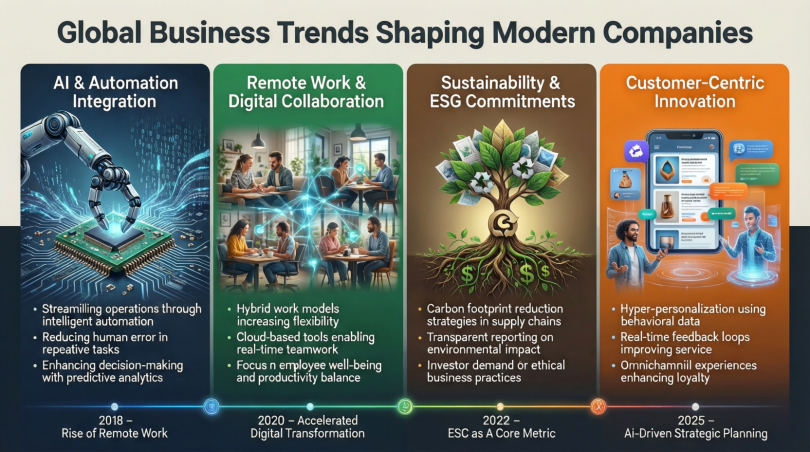
Global business trends refer to common patterns and changes that influence how businesses operate across different countries and markets. These trends can be related to technology, customer behavior, management styles, or economic conditions.
In simple words, global business trends show where the business world is heading. For example, remote work, digital payments, and sustainable practices are all trends shaping modern companies. Businesses that follow these trends stay relevant, while those that ignore them often fall behind.
Why is Global Business Trends Important?
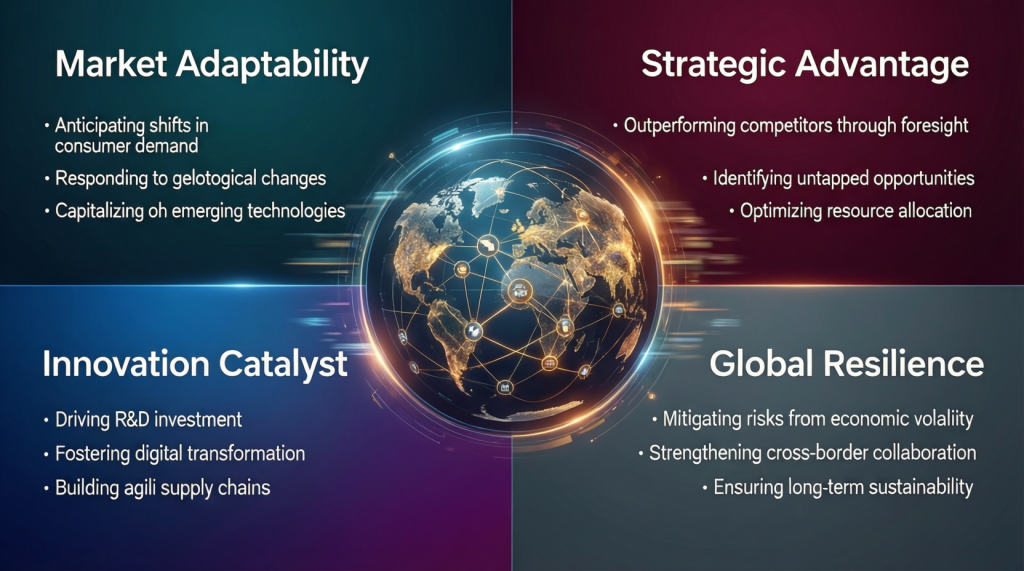
Understanding global business trends is important because the business environment is always changing. What worked five years ago may not work today. Companies that track trends can adjust faster and avoid sudden losses.
Another reason global business trends matter is competition. When businesses know what competitors are doing globally, they can improve their own strategies. This awareness helps companies grow steadily, reduce risks, and serve customers better in different markets.
Detailed Step-by-Step Guide
Step 1: Identify Key Global Changes
The first step is to observe changes happening worldwide. These changes may include new technologies, economic shifts, or social movements. For example, the rise of online shopping changed retail businesses everywhere.
Companies should regularly read industry news, follow market reports, and listen to customer feedback. This habit helps them notice global business trends early and plan ahead.
Step 2: Analyze Market Impact
After identifying changes, the next step is to analyze how they affect your market. Not every trend will be useful for every business. For instance, automation may benefit manufacturing companies more than small service providers.
Businesses should ask simple questions. Will this trend reduce costs? Will it improve customer experience? Clear answers help decide whether a trend is worth following.
Step 3: Study Competitor Behavior
Looking at competitors is another important step. Many global business trends become clear when leading companies start using them. If competitors adopt a new method successfully, it may be a sign of long term value.
However, copying blindly is not wise. Businesses should understand why a competitor’s strategy works and adjust it according to their own goals and resources.
Step 4: Adapt Business Strategy
Once a trend is selected, businesses should update their strategies. This may involve changing processes, training staff, or investing in new tools. For example, adopting digital marketing requires new skills and planning.
Adapting slowly but steadily is better than rushing. A clear plan ensures that global business trends are used effectively without harming daily operations.
Step 5: Monitor Results and Improve
The final step is monitoring progress. Businesses should track results using simple metrics like sales growth, customer satisfaction, or cost savings. These indicators show whether the trend is helping or not.
If results are weak, adjustments should be made. Successful use of global business trends requires continuous learning and improvement over time.
Benefits of Global Business Trends
- Help businesses stay competitive in international markets
- Improve efficiency through modern tools and practices
- Increase customer satisfaction by meeting new expectations
- Encourage innovation and creative problem solving
- Support long term growth and sustainability
- Reduce risks by preparing for future changes
Disadvantages / Risks
- High costs when adopting new technologies too quickly
- Confusion among employees during sudden changes
- Risk of following trends that do not fit the business
- Increased competition as trends become common
- Dependence on external factors beyond control
Common Mistakes to Avoid
One common mistake is following every trend without research. Not all global business trends are useful for every company. Blind adoption often leads to wasted time and money.
Another mistake is ignoring employee training. When businesses change processes without proper guidance, productivity drops. Clear communication and support help teams adapt smoothly.
FAQs
What are the most common global business trends today?
Some common trends include digital transformation, remote work, sustainability, data driven decision making, and customer focused strategies. These trends affect many industries worldwide.
How can small businesses benefit from global business trends?
Small businesses can grow faster by using trends wisely. For example, online platforms help them reach global customers without large investments.
Are global business trends the same in every country?
No, trends may vary by region. Cultural, economic, and legal factors influence how trends develop in different countries.
How often should businesses review global business trends?
Businesses should review trends regularly, at least once or twice a year. Frequent reviews help them stay prepared for sudden changes.
Can following trends reduce business risks?
Yes, understanding trends helps businesses anticipate problems and prepare solutions early. However, careful planning is still necessary.
What happens if a business ignores global business trends?
Ignoring trends can make a business outdated. Over time, this leads to loss of customers, reduced profits, and weaker market position.
Expert Tips & Bonus Points
Experts suggest focusing on trends that match long term goals. Instead of chasing short term popularity, businesses should think about lasting value.
Another useful tip is building flexible systems. Flexibility allows companies to adjust quickly as global business trends continue to evolve in unpredictable ways.
Conclusion
Global business trends play a powerful role in shaping modern companies. They influence how businesses operate, compete, and grow in an interconnected world. By understanding these trends, companies can make smarter decisions and stay relevant.
In the end, success depends on balance. Businesses should observe global business trends carefully, choose wisely, and adapt steadily. With the right approach, trends become opportunities rather than challenges, leading to sustainable growth and long term success.