
Introduction
Starting something new is exciting, but it can also feel confusing and risky. Many people dream of building their own company, yet they do not know where to begin or what steps really matter. This guide on startup new business and tips is written to make things simple, clear, and practical for real beginners.
In this article, you will learn what a startup is, why it matters, and how to move from idea to action. The focus is on startup new business and tips that work in real life, not theory. Each section is designed to help you avoid common mistakes and build confidence step by step.
What is Startup New Business and Tips?
Startup new business and tips refers to the process of creating a new company from scratch and learning the best practices that increase success. A startup usually begins with an idea that solves a problem or fulfills a need. The tips are the lessons, strategies, and actions that guide founders through early stages.
Unlike traditional businesses, startups often focus on growth, innovation, and testing ideas quickly. They start small, learn from customers, and improve their product or service over time. Startup new business and tips cover planning, funding, marketing, and daily operations.
For example, a person who notices a local problem, such as lack of healthy food options, may start a small delivery service. By following proven startup new business and tips, they can test demand, manage costs, and grow steadily.
Why is Startup New Business and Tips Important?
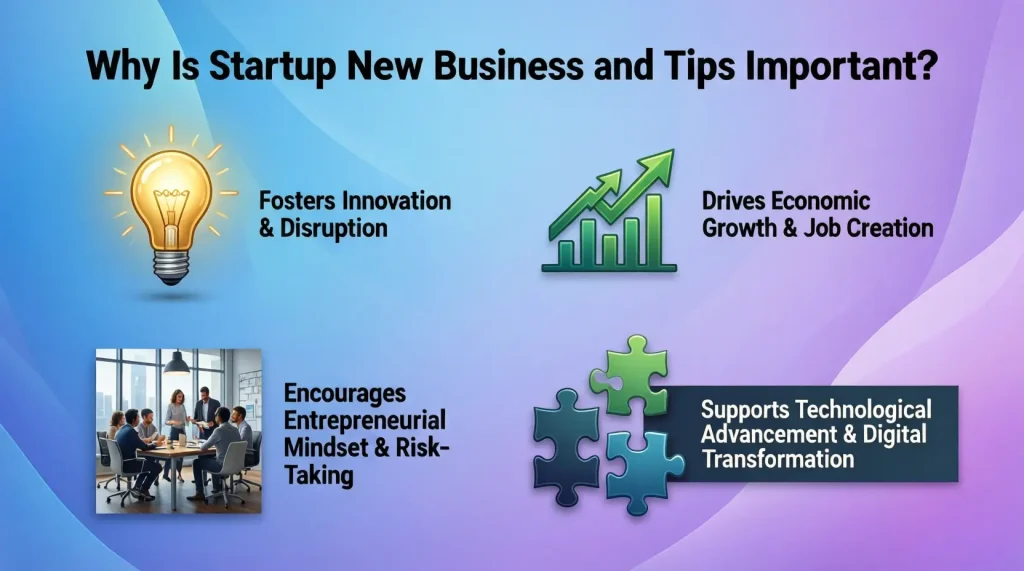
Startup new business and tips are important because most new ventures fail due to avoidable mistakes. Many founders rush without planning or ignore customer feedback. Tips based on experience help reduce risk and save time.
These tips also help beginners stay focused. Instead of trying everything at once, they learn what matters most at each stage. This includes validating ideas, managing money, and building a simple marketing plan.
Another reason startup new business and tips matter is confidence. When you understand the process, fear becomes manageable. You can take smart risks and make better decisions, even with limited resources.
Detailed Step-by-Step Guide
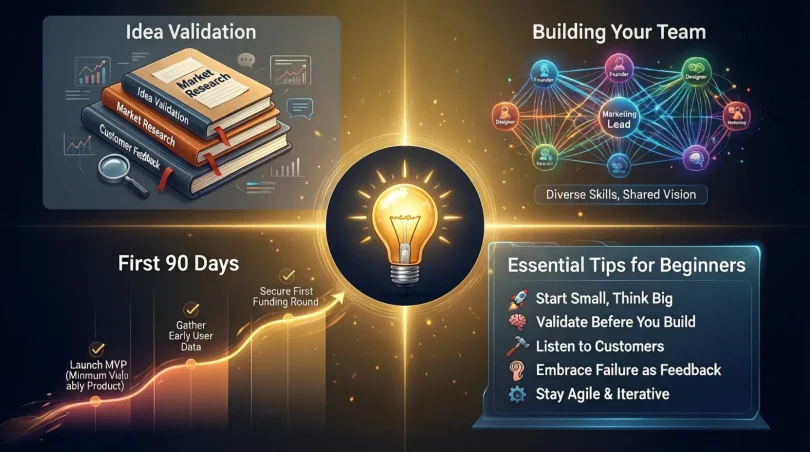
Step 1: Find and Validate a Business Idea
Every startup begins with an idea, but not every idea is good enough. The first step is finding a problem worth solving. Look around your daily life and notice common frustrations.
Ask simple questions such as what people complain about or what tasks feel slow and expensive. A strong idea solves a real problem for a specific group.
Validation is critical in startup new business and tips. Talk to potential customers before spending money. Ask if they would pay for your solution. This feedback saves you from building something nobody wants.
Step 2: Research Your Market
Market research helps you understand who your customers are and who your competitors will be. Study similar businesses and note their strengths and weaknesses.
You do not need expensive reports. Simple online searches, surveys, and conversations are enough at the start. Learn how others price their products and how they attract customers.
This step in startup new business and tips helps you find gaps. A gap is an opportunity where customer needs are not fully met.
Step 3: Create a Simple Business Plan
A business plan does not need to be long or complex. It should clearly explain what you sell, who you sell to, and how you make money.
Include basic sections like product description, target market, pricing, and costs. This document acts as a roadmap for your startup journey.
Startup new business and tips often stress flexibility. Your plan can change as you learn more. The goal is direction, not perfection.
Step 4: Choose the Right Business Model
Your business model explains how your startup earns revenue. Common models include selling products, offering services, subscriptions, or commissions.
Choose a model that fits your customers and skills. For example, a service based startup may require less upfront money than a product based one.
Understanding your model early is a key part of startup new business and tips. It affects pricing, marketing, and growth decisions.
Step 5: Register and Set Up the Business
Once you are serious, register your business according to local rules. Choose a suitable name that is easy to remember and relevant.
Set up basic systems like a bank account and simple accounting method. Keeping finances organized from day one prevents future problems.
Startup new business and tips often highlight legal clarity. Proper registration builds trust with customers and partners.
Step 6: Build a Minimum Viable Product
A minimum viable product is the simplest version of your offering that solves the main problem. It allows you to test your idea quickly.
Do not wait for perfection. Launch with basic features and improve based on feedback. Many successful startups began with simple versions.
This step is central to startup new business and tips because it saves money and time while maximizing learning.
Step 7: Price Your Product Smartly
Pricing is more than covering costs. It reflects value and positions your brand. Research what customers are willing to pay.
Start with competitive pricing and adjust as you gain insight. Avoid pricing too low just to attract customers, as it can hurt long term growth.
Startup new business and tips suggest testing different prices to see what works best.
Step 8: Launch and Get First Customers
Launching does not need a big event. Start small and focus on early users. Friends, family, and local communities are good starting points.
Listen closely to feedback and note patterns. Early customers help shape your product and message.
This stage of startup new business and tips is about learning fast and improving continuously.
Step 9: Market with Simple Strategies
Marketing does not require a large budget. Focus on channels where your audience spends time. This may include social platforms, local events, or direct outreach.
Share useful content and tell your story honestly. People connect with authenticity more than sales messages.
Consistent effort is a common theme in startup new business and tips for marketing success.
Step 10: Track, Learn, and Improve
Measure basic metrics like sales, customer feedback, and costs. These numbers guide decisions and highlight problems early.
Review progress regularly and adjust plans. Flexibility is a strength, not a weakness.
Startup new business and tips emphasize learning as an ongoing process, not a one time task.
Benefits of Startup New Business and Tips
- Helps beginners avoid costly mistakes
- Saves time by focusing on proven actions
- Builds confidence through clear steps
- Encourages smart risk taking
- Improves chances of long term success
- Supports steady and sustainable growth
Disadvantages and Risks
- Requires patience and consistent effort
- Income may be unstable in early stages
- Mistakes can still happen despite planning
- Competition can be intense
- Learning curve may feel overwhelming
Common Mistakes to Avoid
One common mistake is skipping validation. Many founders fall in love with their idea and ignore customer feedback. This often leads to failure.
Another error is poor money management. Mixing personal and business finances creates confusion and stress.
Ignoring marketing is also risky. Even the best product needs visibility. Startup new business and tips stress balanced attention across all areas.
Finally, trying to do everything alone can slow growth. Seeking help and advice is a strength, not a weakness.
FAQs
What is the best age to start a startup?
There is no perfect age. People start successful businesses in their teens and later in life. What matters more is commitment and willingness to learn.
Do I need a lot of money to start?
No, many startups begin with small budgets. Service based businesses especially require minimal investment. Startup new business and tips often focus on starting lean.
How long does it take to see success?
Success timelines vary. Some see results in months, others take years. Consistency and learning speed influence outcomes more than time.
Can I start while working a job?
Yes, many founders start part time. This reduces financial risk and allows testing ideas before full commitment.
What if my idea fails?
Failure is part of learning. Many successful founders failed before succeeding. Use lessons learned to improve your next attempt.
Is formal education required?
Formal education helps but is not required. Practical experience, learning from mistakes, and following startup new business and tips are equally valuable.
Expert Tips and Bonus Points
Start with a clear goal and break it into small tasks. Small wins build momentum and motivation.
Build relationships early. Networking opens doors to partnerships, advice, and opportunities.
Stay curious and keep learning. Markets change, and adaptability keeps you relevant.
Take care of your health. A healthy founder makes better decisions and handles stress well.
Document your journey. Notes and reflections help track progress and identify patterns.
Finally, remember why you started. Purpose fuels persistence during difficult times.
Conclusion
Building a company is a journey filled with challenges, learning, and growth. With the right mindset and guidance, beginners can move forward with clarity and confidence. This guide on startup new business and tips aims to simplify the process and make it approachable for everyone.
By following step by step actions, avoiding common mistakes, and applying expert advice, you increase your chances of success. Startup new business and tips are not about shortcuts, but about smart, consistent progress toward meaningful goals.